As a response, companies are paying more attention to their environmental impact, striving to improve and innovate their packaging practices to be more sustainable.
Why Does Sustainable Cosmetic Packaging Matter?
The importance of sustainable packaging in the cosmetics industry cannot be overstated. As consumers are becoming more aware of the environmental implications of their choices, sustainability is increasingly factoring into their purchasing decisions.
In a UK-based study in 2021, 58% of responders who purchased sustainable cosmetics stated that they did so because “They are better for the environment and nature”.
We’re seeing a trend of customers demanding more from brands than just effective products. They are asking for transparency, sustainable beauty, ethically sourced ingredients, and packaging that minimally affects the environment.
Moreover, the cosmetic industry is known for its excessive use of plastics and non-recyclable materials. With millions of beauty products sold every year, the sector has a significant impact on our environment. By adopting sustainable packaging practices, cosmetic companies can significantly reduce their ecological footprint.

Eco-Friendly Types of Packaging for Beauty
When it comes to eco-friendly beauty packaging, materials like aluminum, tin, and stainless steel stand out as preferable choices. These metals are usually non-toxic, lightweight, easy to recycle, user-friendly, and functional in both cold and hot climates. Moreover, they can be used in plastic-free packaging, an increasingly popular trend in the industry.
But it’s not just about metals. There’s a broad spectrum of sustainable packaging solutions available for the cosmetics industry:
Bamboo packaging: Bamboo is a fast-growing plant, making it a renewable resource. It’s also biodegradable and compostable.
Paper packaging: Paper is another widely used material. It is recyclable, and when sourced from responsible manufacturers, it can be a sustainable choice.
Refillable packaging: This encourages consumers to reuse the packaging by offering product refills, thus reducing waste.
Beeswax packaging: It’s a natural, renewable, and biodegradable alternative to plastic.
Overcoming Challenges in Implementing Sustainable Packaging Solutions
Despite the clear benefits, the beauty industry faces several challenges when implementing sustainable packaging solutions. These include higher costs, limited availability of materials, the need for specialized manufacturing processes, ensuring the packaging protects the product effectively, and educating consumers about new packaging materials and disposal methods.
To overcome these challenges, companies can adopt a gradual approach, starting with small changes and scaling up as they become more proficient. They can also partner with environmental organizations or sustainability experts to access the latest technologies and strategies. Lastly, educating consumers about the benefits and importance of sustainable packaging can help create demand and acceptance for these new practices.
Sustainable Packaging Success Stories
Several cosmetic brands have successfully implemented sustainable packaging in their operations over the years. An article by Earth curated a list of 14 sustainable cosmetic brands – Some of the most popular include:
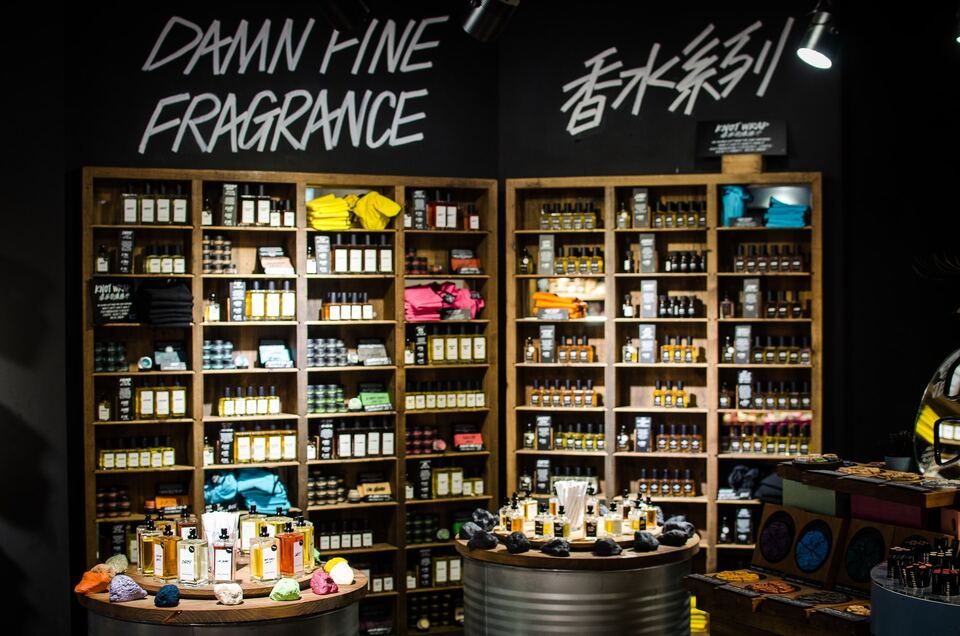
- LUSH – Lush is a leader in sustainability, recycling 90% of its packaging, and even runs a plastic packaging-free cosmetics shop in Manchester.
- Herbivore – Herbivore uses recyclable glass packaging and ensures its products are free from fossil fuel derivatives.
- Giorgio Armani – Luxury brand Giorgio Armani prioritizes sustainability, investing £7 million in clean water projects through its Acqua for Life initiative.
- L’Occitane – L’Occitane has advocated for sustainability since the ’90s, significantly reducing plastic usage with a goal for 100% recycled plastic bottles by 2025.
- Clarins – Clarins is engaged in the Plastic Odyssey challenge to increase awareness about plastic waste and recycling potential, and maintains three bee hives at its Paris HQ to promote biodiversity.